Coffee Shop Startup Costs: Full 2026 Breakdown
Coffee shop startup costs typically range from $85,000 to $325,000. The biggest expenses are leasehold improvements ($20,000 to $110,000), espresso and kitchen equipment ($15,000 to $45,000), and working capital to cover the first six months of operations ($25,000 to $68,000).
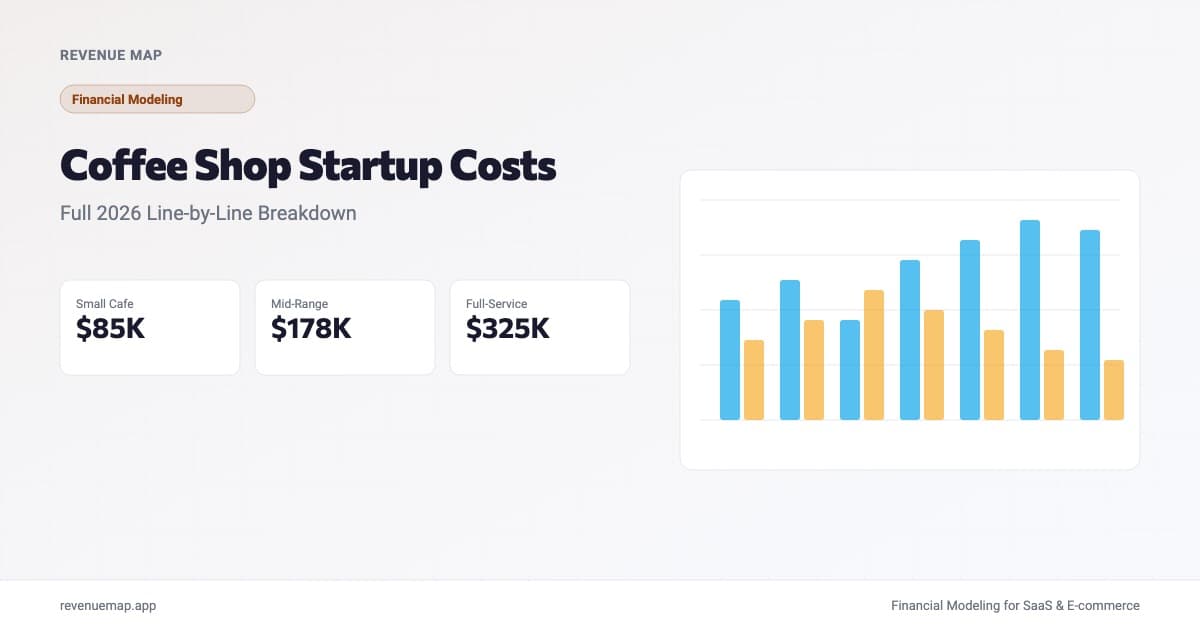
Coffee shop startup costs range from about $85,000 for a small counter-service cafe to $325,000 for a full-service shop with a food program and custom buildout. Leasehold improvements, equipment, and working capital account for roughly 75% of the total, with permits, inventory, insurance, and marketing making up the rest.
Those numbers are climbing. According to Entrepreneur, business costs continue rising in 2026 across nearly every category, from labor and materials to insurance and rent. Coffee shops are no exception: commercial espresso machines, dairy prices, and construction labor for buildouts have all moved up over the past 18 months. If you are planning to open a coffee shop, the figures in your business plan need to reflect what things cost right now, not what a blog post from 2023 told you.
Here is a full line-by-line breakdown of what it costs to open a coffee shop in 2026, what first-time owners tend to underestimate, and how to build a realistic budget.
What Does It Cost to Open a Coffee Shop?
The total depends on three main factors: the format (counter-service vs. sit-down vs. drive-through), the condition of the space (second-generation cafe vs. raw shell), and the location (a suburban strip mall lease vs. a downtown corner with high foot traffic).
Here is a realistic breakdown across three common formats:
| Category | Small Cafe | Mid-Range Shop | Full-Service |
|---|---|---|---|
| Leasehold improvements | $20,000 | $55,000 | $110,000 |
| Espresso and kitchen equipment | $15,000 | $28,000 | $45,000 |
| Furniture, fixtures, and decor | $5,000 | $15,000 | $35,000 |
| POS system and technology | $2,000 | $3,500 | $6,000 |
| Permits, licenses, and fees | $3,500 | $6,000 | $12,000 |
| Initial inventory (beans, milk, supplies) | $3,000 | $5,000 | $10,000 |
| Insurance (first year) | $3,500 | $5,000 | $9,000 |
| Marketing, signage, and branding | $4,000 | $8,000 | $16,000 |
| Pre-opening labor (training) | $3,500 | $7,000 | $14,000 |
| Working capital (6 months) | $25,000 | $45,000 | $68,000 |
| Total | $84,500 | $177,500 | $325,000 |
Most independent coffee shop owners land in the mid-range: $150,000 to $200,000 all in. That includes a sit-down cafe in a second-generation space that needs moderate renovation, new espresso equipment, and enough cash reserve to cover six months of slow early revenue. If you are starting from a raw shell with no plumbing or electrical, add $30,000 to $60,000 before the buildout even starts.
For context on how these numbers fit into a full business plan with revenue projections and cash flow, see our coffee shop business plan guide.
The Five Biggest Cost Categories
1. Leasehold Improvements ($20,000 to $110,000)
This is the single most variable line item and the one most likely to blow your budget. A second-generation cafe space (one that previously housed a coffee shop or restaurant) already has plumbing, electrical, ventilation, and possibly a counter. Converting it might cost $20,000 to $40,000. Building out a raw retail shell means installing all of that infrastructure from scratch, and the total can easily exceed $80,000.
The honest answer is: get a contractor's estimate before you sign the lease. The difference between a $25,000 refresh and a $90,000 buildout is often invisible in listing photos. A space that looks perfect might need $40,000 in plumbing and HVAC work behind the walls.
2. Espresso and Kitchen Equipment ($15,000 to $45,000)
The espresso machine is the centerpiece of a coffee shop and usually the second-largest equipment expense. A commercial two-group machine from brands like La Marzocco or Nuova Simonelli runs $8,000 to $18,000 new. Add a commercial grinder ($1,500 to $4,000), a batch brewer ($500 to $1,500), a blender for specialty drinks ($300 to $800), and a cold brew system ($200 to $600).
If your menu includes food beyond pre-made pastries, add a commercial refrigerator, a prep station, a convection oven, and a dishwasher. Food equipment alone adds $8,000 to $15,000.
| Menu Type | Key Equipment | Typical Cost |
|---|---|---|
| Espresso and drip only | Espresso machine, grinder, batch brewer | $12,000 to $20,000 |
| Coffee with pastries (no kitchen) | Above plus display case, small fridge | $15,000 to $25,000 |
| Full menu (sandwiches, baked goods) | Above plus oven, prep station, dishwasher | $28,000 to $45,000 |
Buying refurbished equipment can cut this category by 30% to 50%. A certified refurbished La Marzocco Linea at $5,000 does the same job as a new one at $12,000. Check restaurant equipment liquidators for commercial-grade machines with warranty coverage. The tradeoff is a shorter warranty period and less flexibility on configuration.
3. Working Capital ($25,000 to $68,000)
Working capital is the cash you need to cover rent, payroll, inventory, and utilities while the shop ramps up to a sustainable customer count. Most coffee shops take 3 to 6 months to hit a stable daily volume, and you will burn through cash during that window.
The standard recommendation is six months of operating expenses. If your monthly costs run $6,000 to $11,000 (a common range for a small to mid-size cafe), that means $36,000 to $66,000 in reserve.
Undercapitalizing is the single most common reason new coffee shops close in the first year. Opening with only two months of reserves means one slow month or one surprise equipment repair puts you in a cash crisis. If you need to model this more precisely, our break-even analysis guide walks through the math step by step.
4. Furniture, Fixtures, and Decor ($5,000 to $35,000)
Counter, tables, chairs, shelving, lighting, flooring, wall treatments, and restroom fixtures all land in this bucket. A counter-service cafe with minimal seating can get by with $5,000 to $8,000. A sit-down cafe with 30 seats, custom counters, and a curated interior easily reaches $25,000 to $35,000.
That said, this is one of the easier categories to phase. Open with essentials and upgrade the decor as revenue allows, rather than sinking $30,000 into interior design before you have sold a single cup.
5. Permits, Licenses, and Fees ($3,500 to $12,000)
Health department permits, business licenses, food handler certifications, fire inspection fees, and signage permits. Costs vary significantly by city and state. If you plan to serve beer or wine, add a liquor license ($5,000 to $15,000 in most states, significantly higher in some cities like New York or San Francisco).
Costs That First-Time Owners Miss
The line items above cover the obvious categories. These are the ones that tend to surprise people:
- Pre-opening payroll. You need baristas trained before opening day. Budget 1 to 2 weeks of wages for your full staff ($2,500 to $12,000 depending on team size).
- Utility deposits and hookup fees. Expect $1,500 to $5,000 for gas, electric, water, and internet setup.
- Grease trap installation (if serving food). Required by most municipalities: $1,500 to $5,000 depending on local code.
- POS processing fees. The system itself costs $2,000 to $6,000, but credit card processing (2.5% to 3.5% per transaction) is an ongoing drain at $5 to $6 average tickets. Over a year, that adds up to thousands.
- Delivery app commissions. If you list on Uber Eats or DoorDash, expect 15% to 30% of each delivery order as a commission. Many owners do not factor this into their gross margin projections and are surprised when delivery revenue barely breaks even.
How to Reduce Your Startup Costs
Not every coffee shop needs a $200,000 build. Here are practical ways to lower the total:
- Choose a second-generation space. A location that previously housed a cafe or restaurant saves $30,000 to $60,000 in buildout. The plumbing, ventilation, and counter infrastructure already exist.
- Buy refurbished equipment. A certified refurbished espresso machine at $5,000 performs identically to a new one at $12,000. Check restaurant equipment liquidators and auction sites for commercial-grade machines.
- Start counter-service only. Eliminating table service cuts labor costs and reduces the seating footprint you need to furnish. You can always add seating later if demand supports it.
- Negotiate a tenant improvement allowance. Many landlords will contribute $10 to $30 per square foot toward buildout costs in exchange for a longer lease commitment.
- Phase your menu. Launch with coffee and simple pastries from a local bakery. Add food items (sandwiches, breakfast bowls) once revenue supports the additional equipment investment.
If you are applying for an SBA loan or approaching a bank for financing, see our business plan for a business loan guide for exactly what lenders expect in the financial sections.
Estimate Your Coffee Shop Startup Costs
Coffee Shop Startup Cost Calculator
Estimate your total startup investment
Want to model this over 36 months with scenarios? Try Revenue Map free →
Key Takeaways
- Coffee shop startup costs range from roughly $85,000 (small counter-service cafe) to $325,000 (full-service with food and custom buildout). Most independent owners spend $150,000 to $200,000.
- Leasehold improvements and equipment are the two largest categories, together accounting for about half of the total. A second-generation space and refurbished equipment can cut both significantly.
- Working capital is the category that makes or breaks you. Budget six months of operating expenses and treat it as non-negotiable.
- Rising costs in 2026 mean older benchmarks understate what you will actually spend. Get contractor quotes and current equipment pricing before finalizing your plan.
- Ready to build your projection? Run the numbers in the startup cost calculator or create a full financial model with Revenue Map, free, takes about two minutes.
Related Articles
Laundromat Startup Costs: Full 2026 Breakdown
Opening a laundromat costs $200K to $500K. Full line-by-line breakdown with real equipment prices, build-out costs, and financing options.
Franchise Startup Costs: Full 2026 Breakdown
Franchise startup costs range from $25K to $500K+ depending on the brand and format. Full cost breakdown, comparison table, and financing tips inside.
Restaurant Startup Costs: Full 2026 Breakdown
How much does it cost to open a restaurant? Expect $175K to $750K depending on concept and location. Full line-by-line breakdown inside.